Village of Fournels
#Villages
Fournels is a village in the Highlands where you can find essential shops and services. A historical circuit, marked by 9 totems, retraces life in the past through fairs, trades, rural architecture, religious heritage, natural resources, the castle and local legends.
A bit of history
Fournels, a village in the heart of the Aubrac region of Lozère, charms visitors with its authenticity and heritage. A former fortified town between Rouergue and Gévaudan, it was a strategic location from the Middle Ages onward. Its castle, built in the 14th century and remodeled in 1573 by Jean d’Apcher, has survived the centuries unscathed. It then passed to the De Lastic family, followed by the Duroc de Brion family, close to Napoleon. Today, this iconic site bears witness to a rich feudal past, set within a preserved natural environment. Fournels is an ideal base for discovering the history, rural architecture, and wild landscapes of the Aubrac.
exploring the village
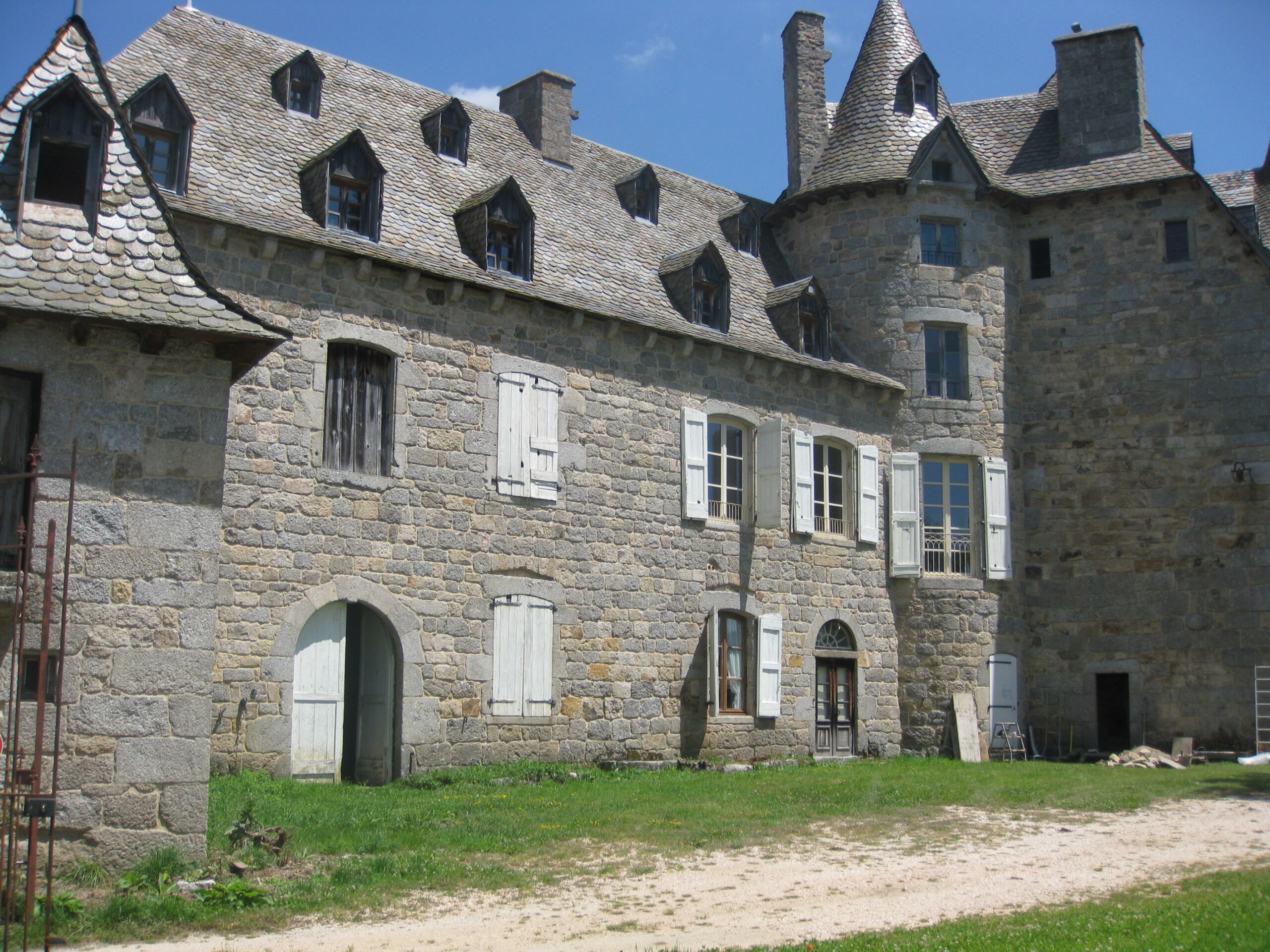
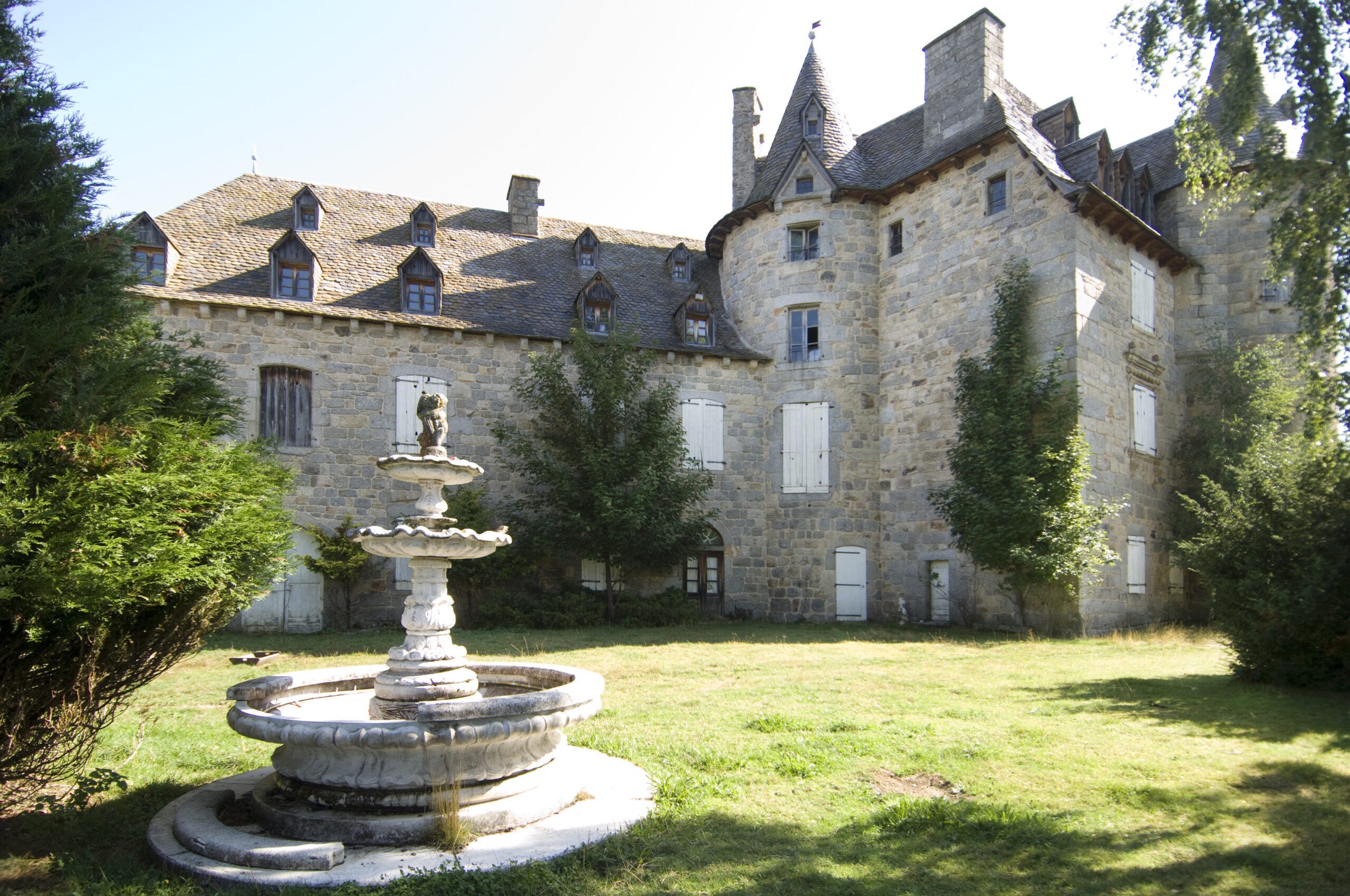
The Château de Fournels, which overlooks the village, was built at the initiative of the Barons of Apcher and later enlarged in the 17th century by the De Lastic family.
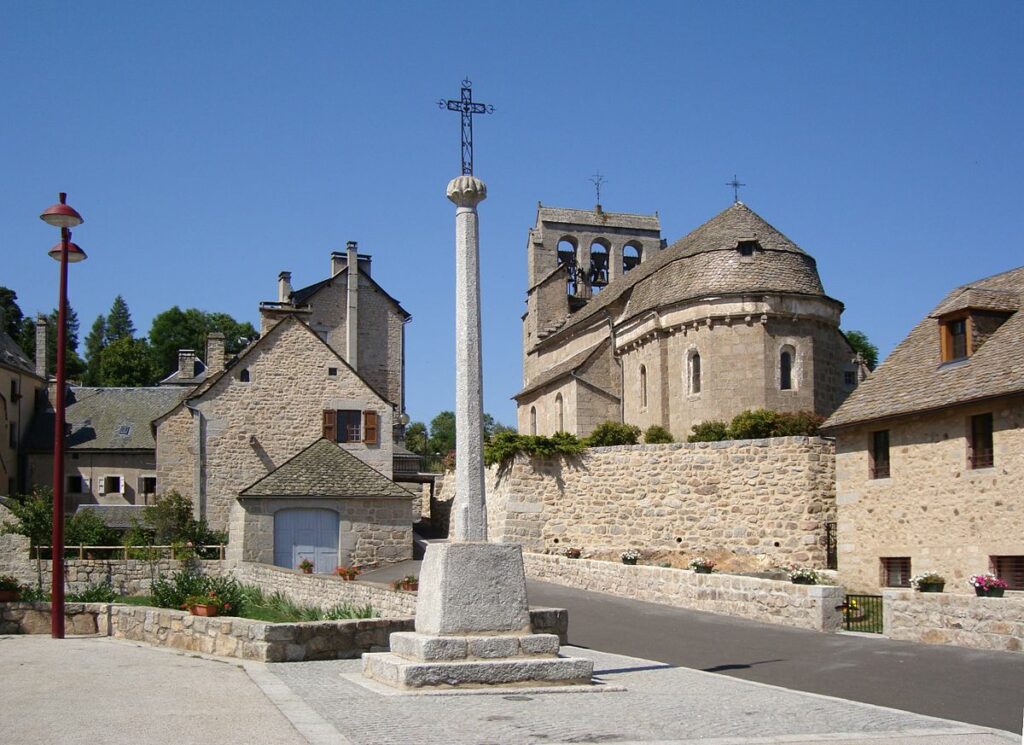
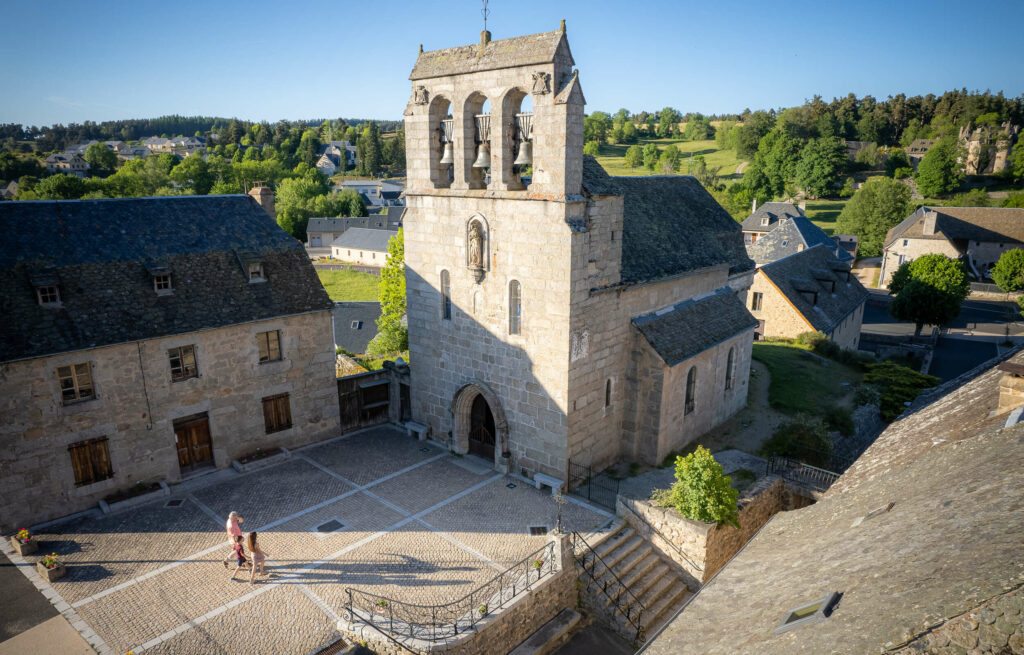
The Romanesque church was given to La Chaise-Dieu in 1145. It features two pointed-arch chapels—the date of construction is unknown—in the first bay, and two transverse barrel-vaulted chapels in the second. Montalhérac was built during the 1230s and 1240s by Guérin III. It was a proud citadel situated on a rocky outcrop at an altitude of 1259 meters. Going beyond a purely military purpose, it held a civil and ecclesiastical role as the parish seat. Today, only the remains of the old tower survive.
zoom on the castle
The Lastic Family
At the beginning of the 17th century, the château passed by marriage to the Lastic family, an ancient barony of Auvergne known since 1040. From this union arose the Lastic-Fournels branch, which left a lasting mark on the village’s history.
The Michel Duroc Family
In 1800, the château came into the possession of the Michel Duroc family through the marriage of Marie-Madeleine Lastic to Géraud de Michel Duroc, Marquis of Brion. This close associate of Napoleon became Duke of Friuli in 1809 and is now buried at Les Invalides. The château remained in the family until 1987. The Marquise Wilma Kessler de Brion, the last resident, is still remembered today for having saved the village from destruction during the Second World War.
Architecture of Fournels Castle
Fournels Castle consists of two main wings. The east wing, known as the “Apcher” wing, is the older of the two. It has a simple rectangular plan with three round turrets and a dormer roof. It dates from the medieval period.
The west wing, known as the “De Lastic” wing, was added later. It forms an L-shaped building with a courtyard and raised terraces that once served as vegetable gardens. A granite staircase connects the two sections.
The castle also has underground passages (now walled up) that are believed to have connected Fournels to the neighboring ancient fortresses.
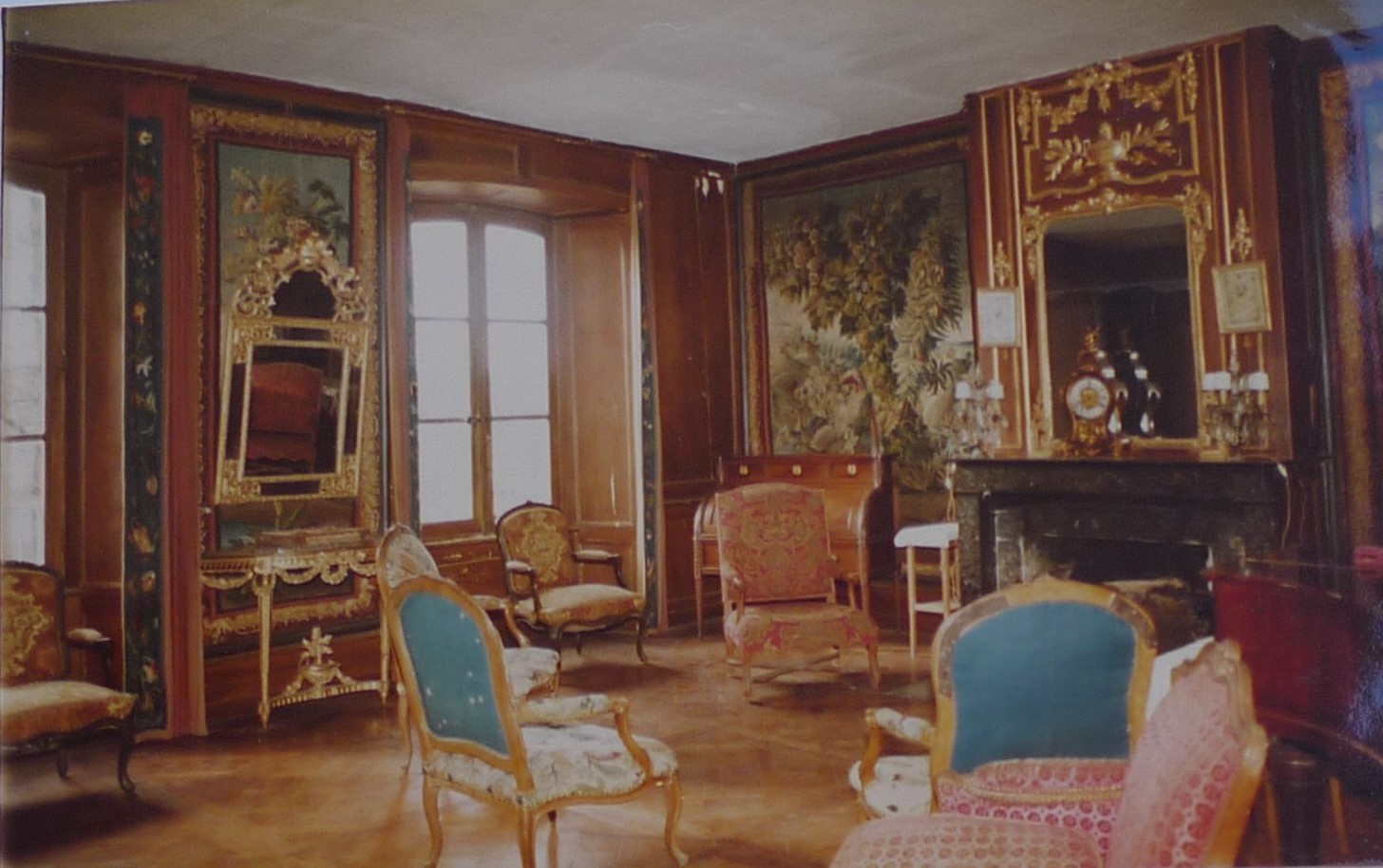
Inside, there are vaulted rooms on the ground floor, including a dining room with a 1714 stove, a “De Lastic” drawing room, and a kitchen with a fireplace, bread oven, and granite sink. The upper floors house apartments decorated with Louis XV and Restoration period wood paneling, as well as small boudoirs located in the towers.


Map of Fournels
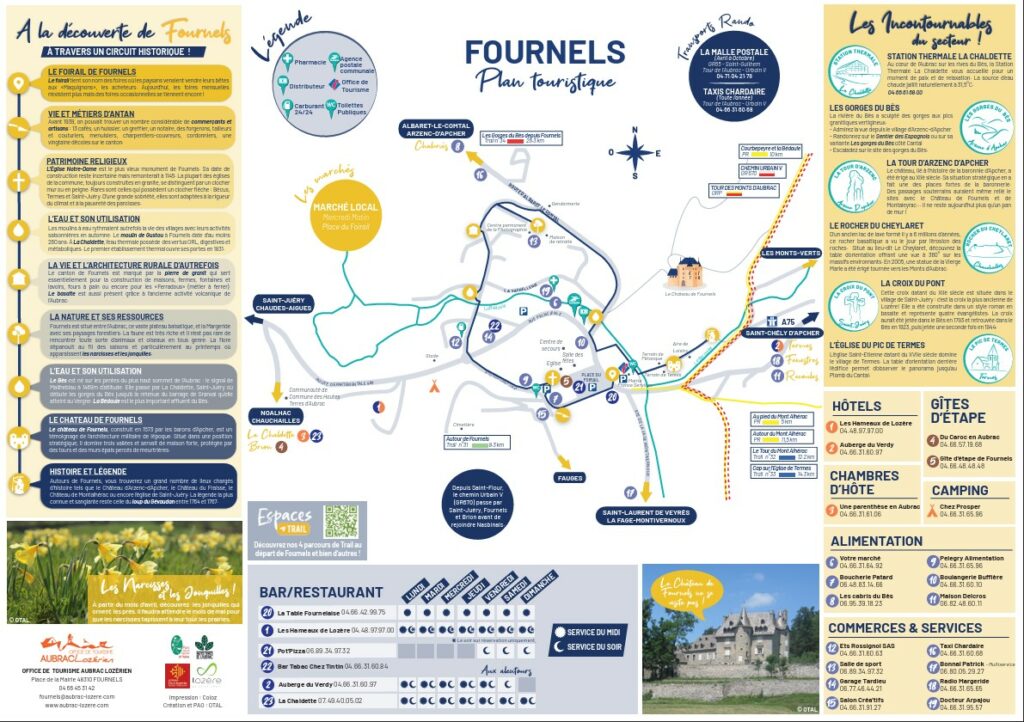
To better prepare your visit, download the village map for free. Find all the points of interest, shops and trails to explore!
Starting on foot from Fournels
Looking to get some fresh air? Starting from Fournels, two hiking trails will take you to discover the landscapes, forests, and viewpoints surrounding the town.
Download the detailed hiking guides for each route for free: distance, duration, difficulty level, trail markings… everything you need to plan your outing with complete peace of mind.
